Mon–Fri 8:00 - 18:00
YouTube

Cataract: Symptoms, Diagnosis and Assessment in Annecy

Is your vision becoming blurred? Do colours seem duller? Do headlights dazzle you at night? These signs, often age-related, may be the first symptoms of a cataract.

At our ophthalmology practices in Annecy (Argonay) and Faverges, our 7 ophthalmologists specialise in diagnosing and managing cataracts. We support you at every stage, from the initial assessment to the latest solutions for restoring clear, sharp vision, particularly through procedures performed at the Clinique d'Argonay.


Understanding the Eye: the Essential Role of the Lens

To understand cataracts, it helps to picture your eye as a highly sophisticated camera. To obtain a sharp image, its different parts must be transparent and work together harmoniously.

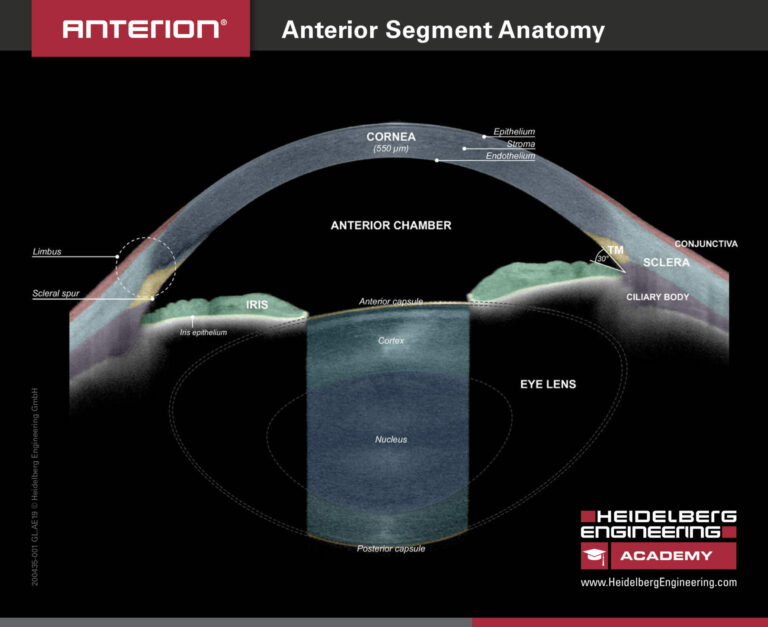
One of the key components is the lens. This is a small, natural, transparent and flexible lens just behind the pupil. It has two roles:

  1. Focusing light: It focuses light rays onto the retina (the eye’s ‘sensor’) to form a sharp image.
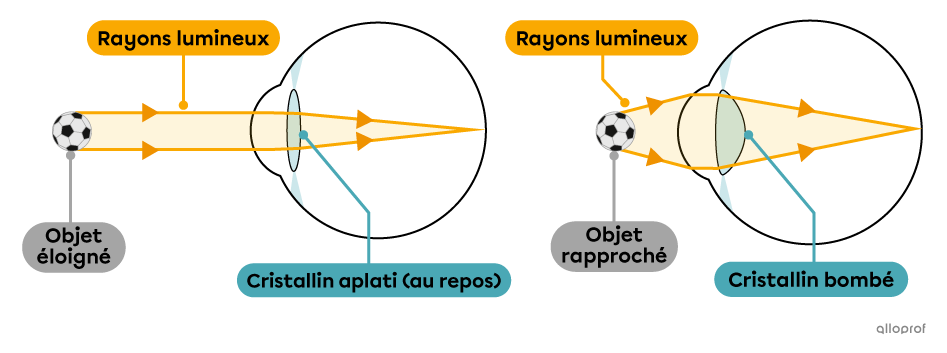
  2. Focusing (accommodation): Thanks to its flexibility, it changes shape so you can see clearly at a distance (by relaxing) and up close (by becoming more rounded). It is your vision’s autofocus.

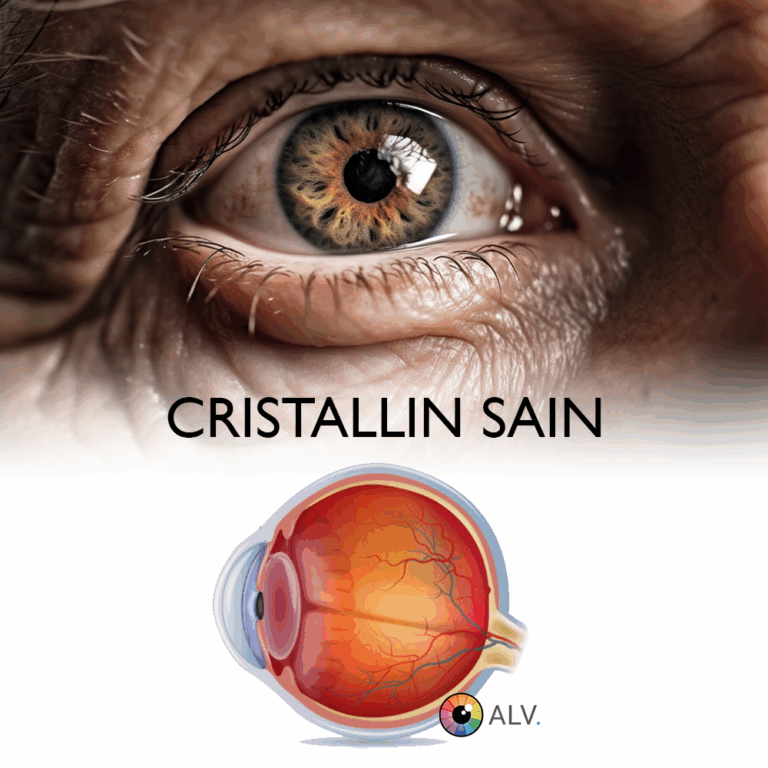
A healthy lens is completely transparent and provides clear vision at all distances.

Diagram of accommodation of the natural lens

What Is a Cataract? Clouding of the Lens

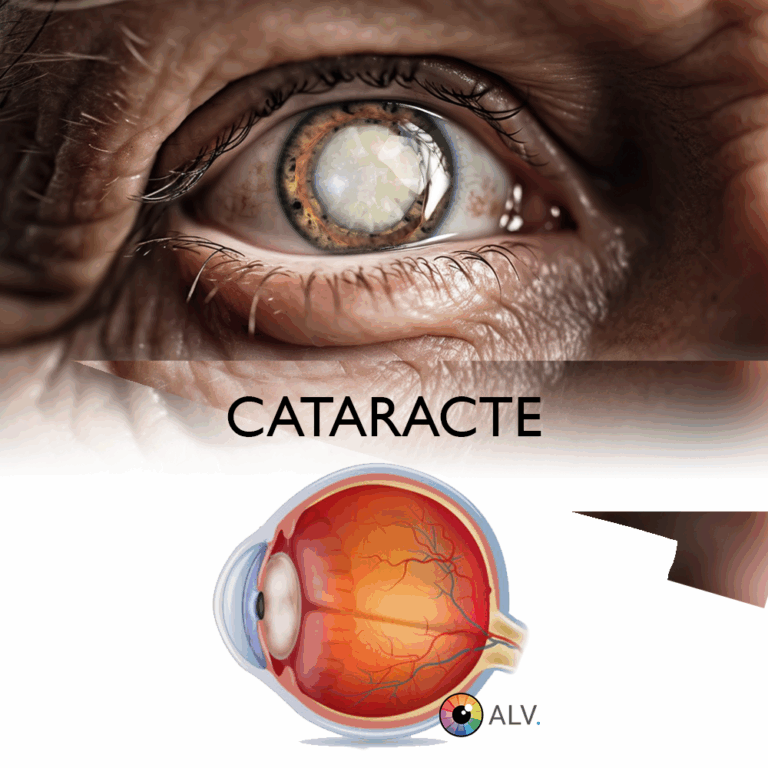
Over time, the lens may lose its transparency. It gradually becomes cloudy, a little like a window becoming frosted. This is a cataract.

It is neither a skin growing over the eye nor a contagious disease. It is a natural change in the lens, which becomes less transparent and more rigid, preventing light from reaching the retina properly. Vision then becomes blurred, hazy and impaired.

What Are the Risk Factors for Cataracts?

Although ageing is the main and inevitable cause of cataracts, other factors can accelerate their onset:

  • Age: This is the main factor. Most cataracts develop after the age of 60.
  • Sun exposure: High exposure to ultraviolet (UV) rays without adequate protection.
  • Diabetes: Poorly controlled diabetes can cause earlier onset.
  • Smoking and alcohol: Excessive consumption is a recognised risk factor.
  • Eye injuries: A strong blow to the eye can damage the lens.
  • Certain medicines: Prolonged use of corticosteroids, for example.
  • Family history.

Recognising the Signs: When to Seek Advice?

Cataracts develop slowly and without pain. Symptoms may therefore appear gradually. Pay attention if you notice one or more of the following signs:

  • Blurred or hazy vision, comme à travers un brouillard.
  • Faded colour perception, qui semblent plus ternes, jaunies.
  • Significant glare face à la lumière vive (soleil, phares de voiture la nuit).
  • Needing more light pour lire ou pour les activités de précision.
  • Double vision sur un seul œil (diplopie monoculaire).

  • Frequent prescription changes for your glasses.

If you recognise these symptoms, it is time for an assessment. An accurate diagnosis is the first step towards restoring visual comfort.

Diagnosis and Care in Annecy

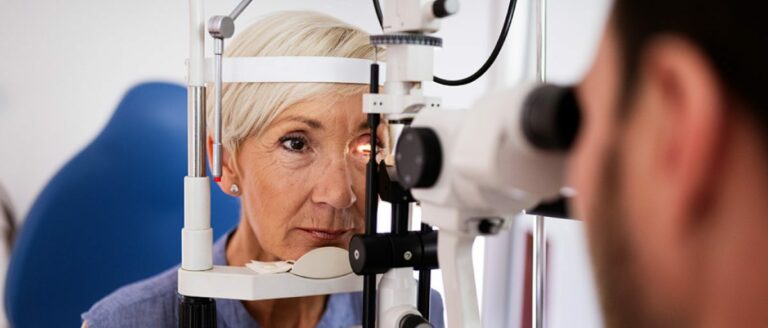
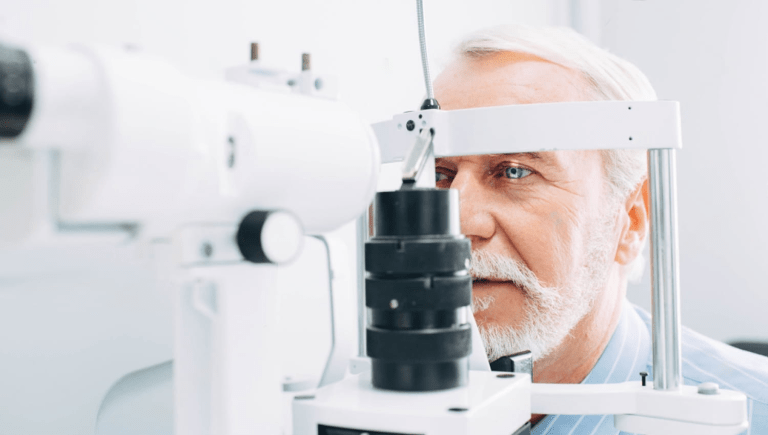
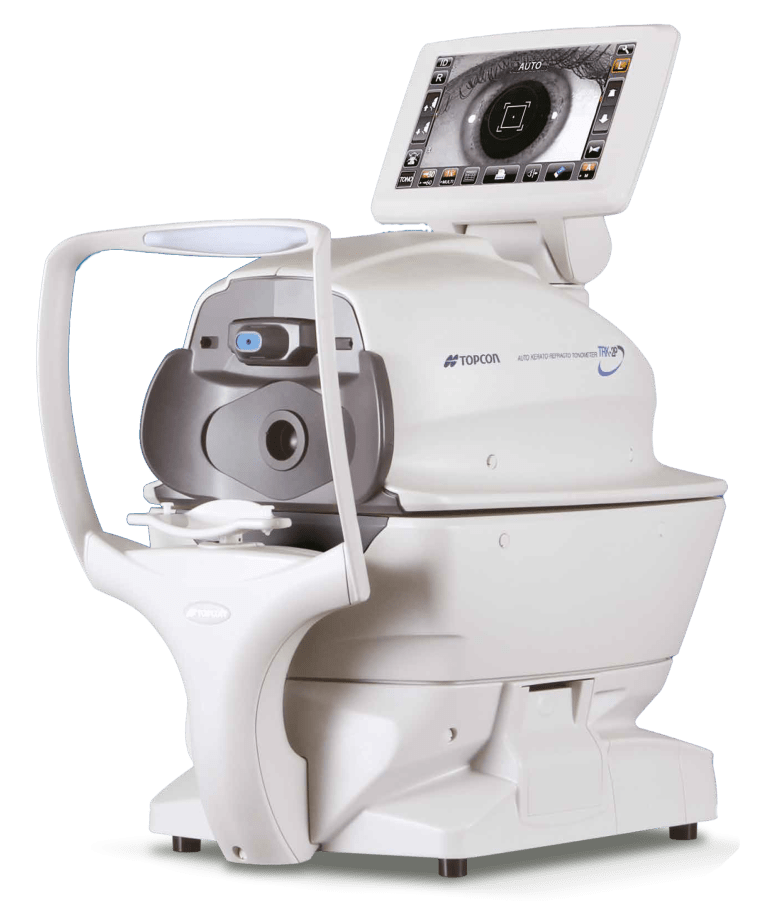
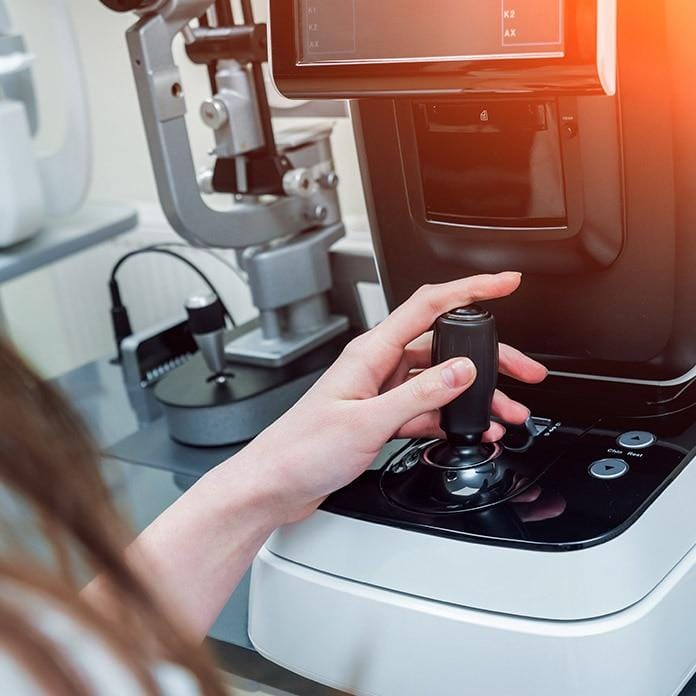
Diagnosing a cataract is simple and painless. Your ophthalmologist makes the diagnosis during a comprehensive eye assessment at our Annecy (Argonay) or Faverges practice. We measure your visual acuity and examine your lens using a slit lamp (biomicroscope).

Once the diagnosis is confirmed, the only solution to treat the cataract and restore clear vision is surgery. This quick and very common operation replaces the cloudy lens with a completely transparent artificial implant suited to your vision.

Our team will explain the benefits of this procedure in detail and help you choose the best solution for your eyes and lifestyle.

To prepare for your discussion with the surgeon, see the related pages:


Review Your Vision: Book an Appointment

Do not wait for visual difficulties to become established. A comprehensive assessment will allow a clear diagnosis and discussion of solutions to restore optimal comfort in daily life.

Our ophthalmologists see you at our four consultation locations: Annecy-Argonay, Faverges, Rumilly and Sallanches.

  • Diagnosis
  • Calcul des lens implants et choix de l'implant le plus adapté
  • Surgical procedure (phakoémulsification)

Or by telephone on: +33 450230323

Learn more

Good to know

  • No eye drops or medicines can make a cataract disappear: only surgery, replacing the cloudy lens with an implant, restores transparency.
  • The timing of surgery is decided with you according to your difficulties (night driving, reading, glare), not just the appearance of the lens.
  • A preoperative assessment (eye measurements, corneal and retinal examination) helps select the most suitable lens implant.
  • Once operated on, the cataract does not return. However, clouding of the posterior capsule (“secondary cataract”) may develop: it is treated with painless laser in a few minutes.

Our doctors

See also all our doctors and our publications.

In the event of sudden loss of vision or pain, see eye emergencies.

Explore our information resource on cataracts and their management

Links

Explore this topic further

A question about your situation?

Your ophthalmologist answers your questions during the consultation. For a sudden symptom or sudden loss of vision, seek advice promptly: see the eye emergencies page.

Book an appointmentContact receptionOur locations

Our practices

Annecy-Argonay

645 route de Champ Farçon, 74370 Argonay

Faverges

27 place Gambetta, 74210 Faverges

Rumilly

5 rue Frédéric Girod, 74150 Rumilly

Sallanches

35 rue Emma Lanche, 74700 Sallanches

04 50 23 03 23Book an appointmentDirections and parkingReception Monday to Friday, 8 am – 6 pm