Mon–Fri 8:00 - 18:00
YouTube

Endothelial Dystrophies

Learn more

Good to know

  • In Fuchs' dystrophy, the cells in the inner layer of the cornea decrease in number, the cornea absorbs water and vision becomes misty, especially in the morning.
  • Lamellar endothelial transplantation (DMEK, DSAEK) replaces only the affected layer and often allows faster recovery than a full-thickness transplant.

Our doctors

See also all our doctors and our publications.

In the event of sudden loss of vision or pain, see eye emergencies.

Endothelial dystrophy: cornea guttata and Fuchs' dystrophy

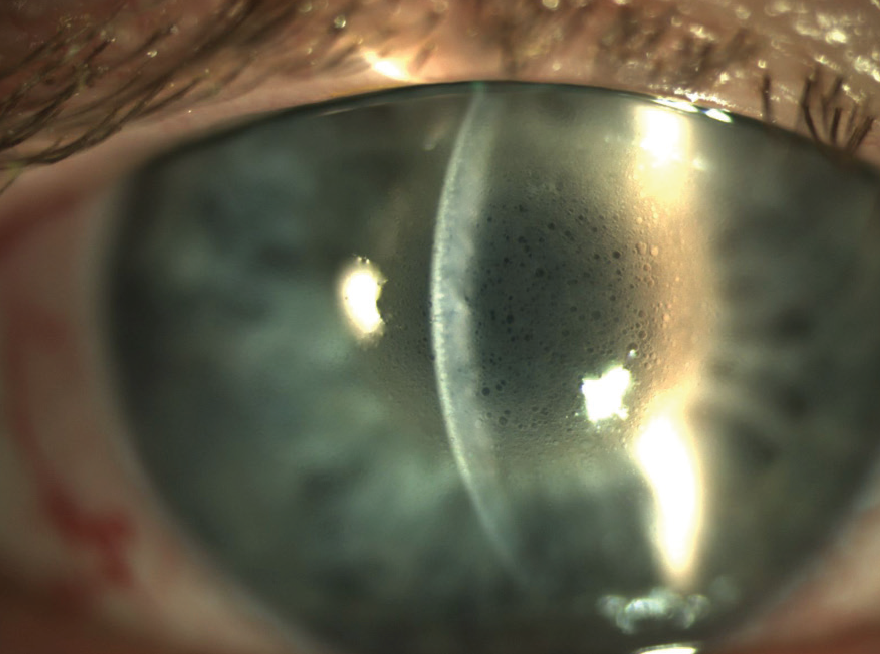
Endothelial dystrophy is an eye disease affecting the corneal endothelium, the thin layer of cells at the back of the cornea responsible for maintaining its transparency. When the endothelium is damaged, it can no longer efficiently pump fluid out of the cornea, causing oedema and loss of vision.

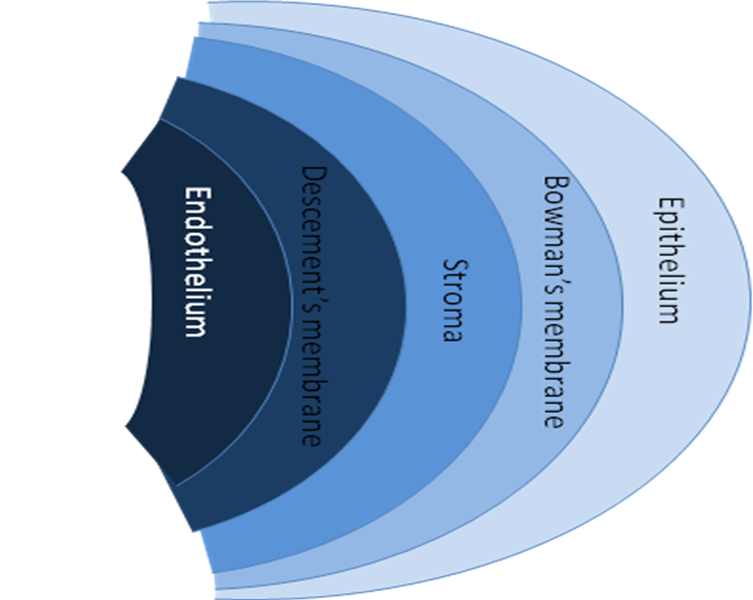
Diagram of the different layers of the cornea

There are two main types of endothelial dystrophy:

There are two main types of endothelial dystrophy:

  • Fuchs’ dystrophy: a hereditary disease that usually develops slowly with age.
  • Pseudophakic endothelial dystrophy: occurs after cataract surgery.

Symptoms:

Initially, endothelial dystrophy may cause no symptoms. As the disease progresses, the following symptoms may appear:

  • Blurred vision, especially in the morning
  • Halos around lights
  • A feeling of something in the eye
  • Sensitivity to light

Key terms explained:

Corneal endothelium
A single layer of cells lining the back surface of the cornea and maintaining its transparency by regulating its hydration.
Cornea Guttata
Small ‘droplets’ appearing on the endothelial surface, an early sign of endothelial dystrophy.
Corneal oedema
Swelling of the cornea caused by a build-up of fluid.
Pseudophakic
An eye that has undergone cataract surgery with implantation of an artificial lens.

Diagnosis and treatment at Centre Médical des Aravis

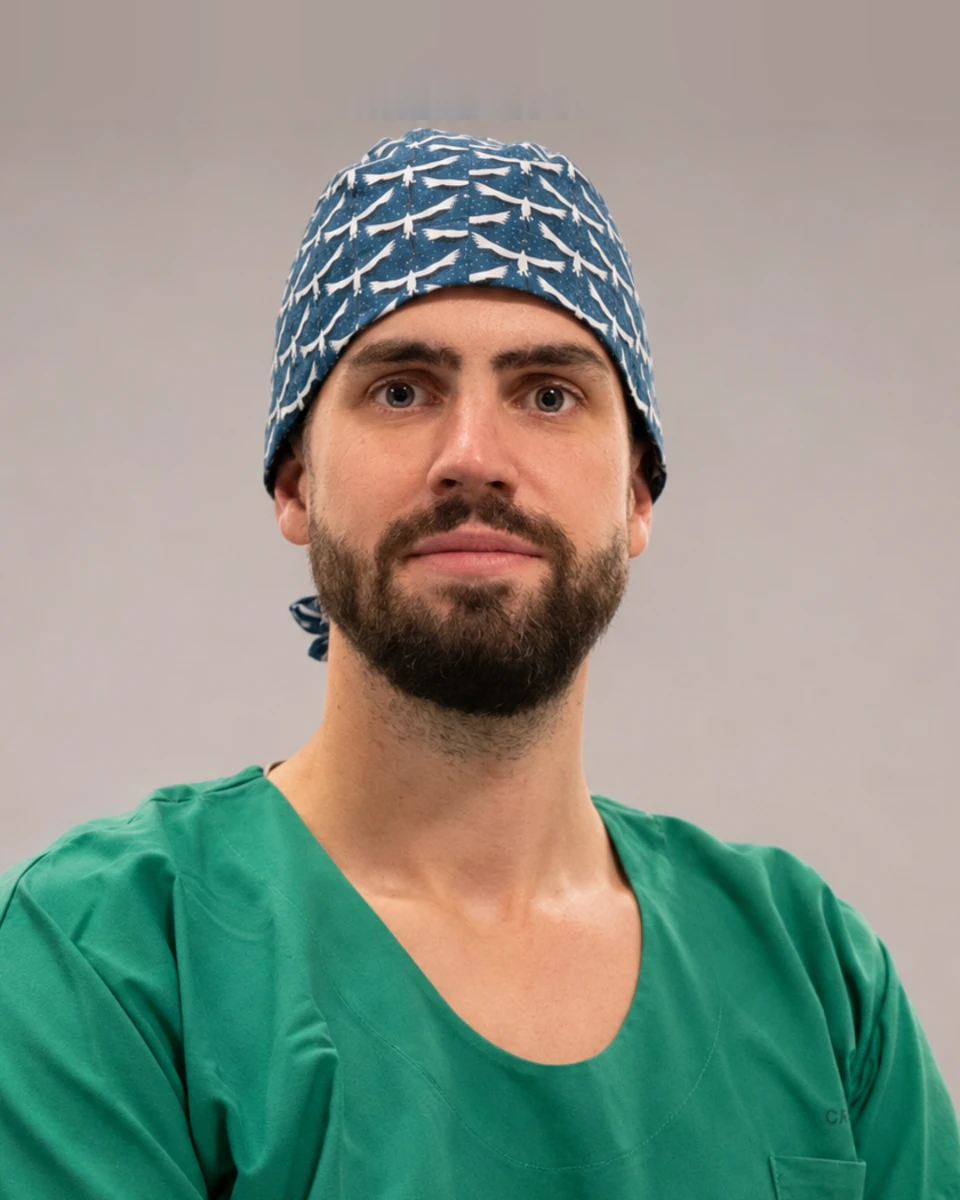
Dr Florian Baudin cares for patients with endothelial dystrophy at the Centre Médical des Aravis. He performs:

  • Diagnosis through a complete eye examination including specular microscopy to assess the endothelium.
  • Regular follow-up to monitor the course of the disease.
  • Medical treatment with eye drops to reduce corneal oedema.
  • Surgery (corneal transplantation) when vision is significantly affected.

Do not hesitate to contact the Centre Médical des Aravis to book an appointment with Dr Baudin if you have symptoms of endothelial dystrophy or questions about this condition.

Explore our information resource on corneal conditions and their management

Links

Explore this topic further

A question about your situation?

Your ophthalmologist answers your questions during the consultation. For a sudden symptom or sudden loss of vision, seek advice promptly: see the eye emergencies page.

Book an appointmentContact receptionOur locations

Our practices

Annecy-Argonay

645 route de Champ Farçon, 74370 Argonay

Faverges

27 place Gambetta, 74210 Faverges

Rumilly

5 rue Frédéric Girod, 74150 Rumilly

Sallanches

35 rue Emma Lanche, 74700 Sallanches

04 50 23 03 23Book an appointmentDirections and parkingReception Monday to Friday, 8 am – 6 pm