Mon–Fri 8:00 - 18:00
YouTube

Learn more

Good to know

  • Diabetic retinopathy is silent at first. A fundus examination at least once a year is recommended for everyone with diabetes.
  • Controlling blood glucose, blood pressure and cholesterol limits the progression of damage.
  • Depending on the stage: monitoring, laser, intravitreal injections or retinal surgery.

Our doctors

See also all our doctors and our publications.

In the event of sudden loss of vision or pain, see eye emergencies.

Diabetic Retinopathy: A Threat to Vision in Diabetes

Diabetic retinopathy is a common eye complication of diabetes, affecting the retinal blood vessels. If poorly controlled, it can lead to reduced vision or even blindness. Early care and regular follow-up by an ophthalmologist are essential to preserve your eye health.

Understanding Diabetic Retinopathy

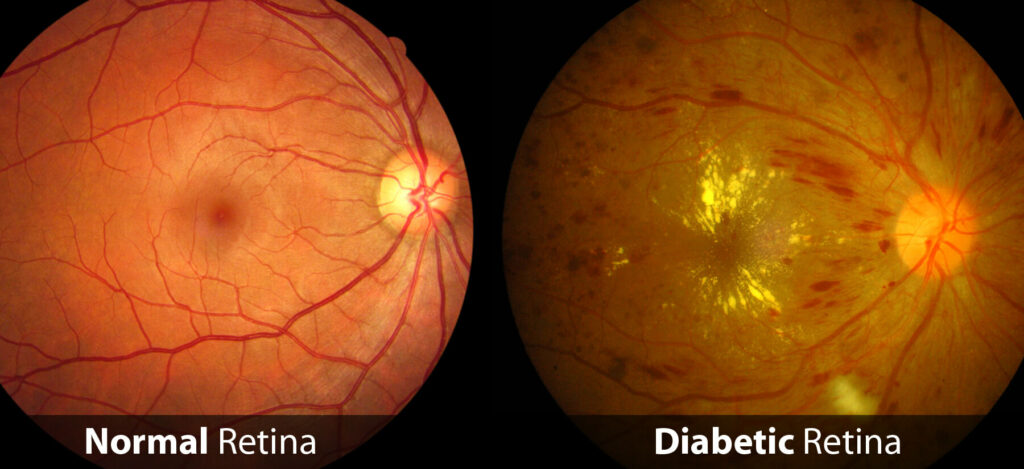
Diabetes is characterised by excess sugar in the blood (hyperglycaemia), which damages small blood vessels over time, particularly those in the retina. This vascular damage can lead to:

  • Microaneurysms : Dilated blood vessels that may leak fluid or blood.
  • Retinal haemorrhages : Bleeding from blood vessels in the retina.
  • Macular oedema : A build-up of fluid in the macula, the central area of the retina responsible for sharp vision.
  • Neovascularisation : Abnormal formation of fragile new blood vessels, which may bleed and cause serious complications.

Comparison of a normal retina and diabetic retinopathy

The Stages of Diabetic Retinopathy

Diabetic retinopathy progresses gradually through several stages:

  • Mild non-proliferative diabetic retinopathy : Microaneurysms appear.
  • Moderate non-proliferative diabetic retinopathy : An increase in microaneurysms and haemorrhages.
  • Severe non-proliferative diabetic retinopathy : Blockage of many blood vessels, which can lead to a lack of oxygen in the retina.
  • Proliferative diabetic retinopathy : Formation of new abnormal blood vessels.

Symptoms

Initially, diabetic retinopathy may be asymptomatic. This is why regular screening is crucial, especially if you have diabetes. At a more advanced stage, symptoms may appear:

  • Reduced visual acuity
  • Blurred or distorted vision
  • Dark or floating spots in the field of vision
  • Difficulty perceiving colours

Prevention and Treatment at Centre Médical des Aravis

The best prevention for diabetic retinopathy is good diabetes control: blood glucose control, blood pressure and cholesterol management.

At the Centre Médical des Aravis, our experienced ophthalmologists manage diabetic retinopathy at every stage.

Diagnosis

  • Fundus examination
  • OCT (Optical Coherence Tomography)
  • Fluorescein angiography

Treatments

  • Laser photocoagulation : To destroy abnormal blood vessels and stop leakage.
  • Intravitreal injections : To reduce macular oedema and neovascularisation.
  • Vitreoretinal surgery : In the most severe cases, to remove blood or cloudy vitreous and repair the retina.

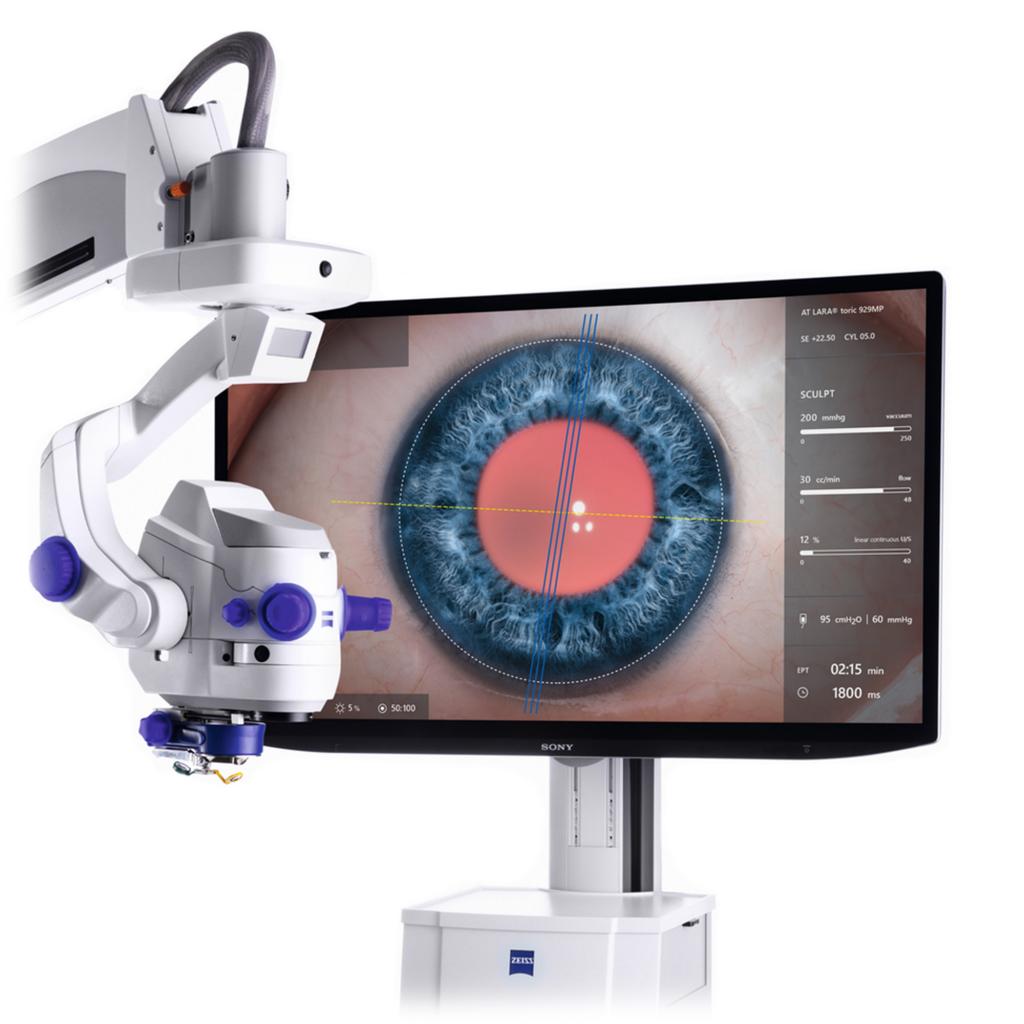
Zeiss ophthalmic surgical microscope

If you have diabetes, visit our ophthalmology department regularly for screening and personalised monitoring of your retinopathy.

A question about your situation?

Your ophthalmologist answers your questions during the consultation. For a sudden symptom or sudden loss of vision, seek advice promptly: see the eye emergencies page.

Book an appointmentContact receptionOur locations

Our practices

Annecy-Argonay

645 route de Champ Farçon, 74370 Argonay

Faverges

27 place Gambetta, 74210 Faverges

Rumilly

5 rue Frédéric Girod, 74150 Rumilly

Sallanches

35 rue Emma Lanche, 74700 Sallanches

04 50 23 03 23Book an appointmentDirections and parkingReception Monday to Friday, 8 am – 6 pm