The Retina: Your Eyes' Screen at Centre Médical des Aravis
The retina is a membrane essential for vision, lining the back of the eye like a cinema screen. The images we perceive form on this sensitive surface. Understanding its anatomy and function helps explain the conditions that can affect it.
Retinal Anatomy: A Masterpiece of Precision
Imagine the retina as a complex tissue made up of several layers of nerve cells. Key components include:
S'ouvre dans une nouvelle fenêtre
www.researchgate.net
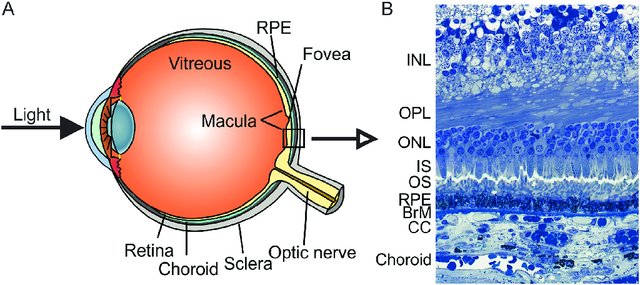
crosssection of the eye highlighting the retina, choroid, and optic nerve
- Photoreceptors : These light sensors convert light signals into electrical signals. There are two types: cones, responsible for colour and detailed vision, and rods, which enable night vision and motion perception.
- The macula : The central area of the retina, the macula is rich in cones and provides sharp, detailed vision. At its centre, the fovea is responsible for maximum visual acuity.
- The optic nerve : This biological cable carries electrical signals from the retina to the brain, where they are interpreted as images.
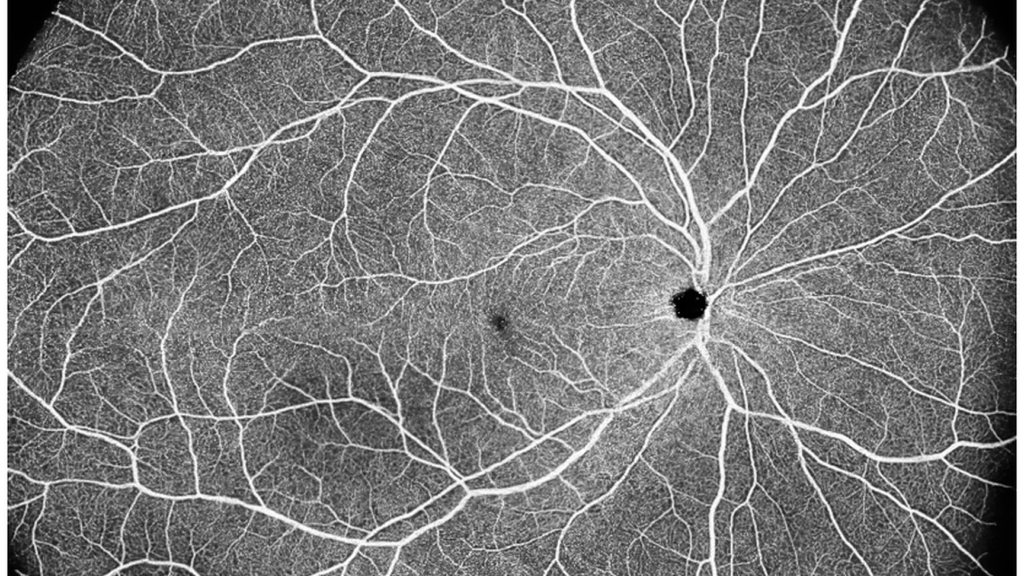
- Retinal and choroidal blood vessels : Like a road network, they supply the oxygen and nutrients essential for the retina to function properly. The choroid, located beneath the retina, also contributes to its nourishment and temperature regulation.