

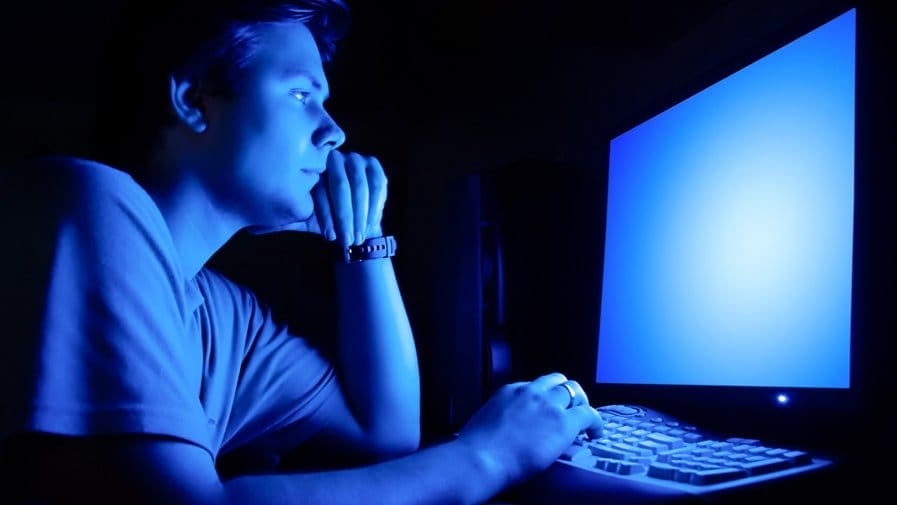
Lunettes anti-lumière bleue : Entre mythes et réalités
Introduction
Blue light, prevalent in our daily lives through screens and other light sources, has sparked numerous questions and debates. Blue light glasses, presented as a miracle solution to protect our eyes from the harmful effects of this light, have been at the center of these discussions. In this article, we will explore the results of a comprehensive study and examine the implications for your eye health.
Definitions of key terms
Blue light : Part of the visible light spectrum, typically located between 380 and 450 nanometres. It is emitted by the sun, but also by computer screens, smartphones and other artificial sources.
Blue light glasses : Lunettes équipées de verres spéciaux conçus pour filtrer ou réduire la lumière bleue provenant des écrans et d'autres sources lumineuses.
Revealing findings from the Cochrane review
The Cochrane Review, a leading authority on medical evidence assessment, recently published an analysis based on 17 randomised controlled trials conducted in six countries. These trials aimed to investigate the effects of blue light on our eyes and sleep. The results are surprising: not only does the study question the actual harmfulness of blue light to our eyes, but it also casts doubt on the effectiveness of blue-light glasses. Many of the trials were of poor quality, and there is no solid evidence that these glasses protect our retina.
Side effects: Myth or reality?
The study also examined potential side effects of these glasses. The results show that these effects were minimal and likely due to simply wearing glasses. Symptoms such as headaches and mood changes were reported, but their frequency was similar in people wearing or not wearing these glasses.
Dr Singh, commenting on the results, emphasised that the amount of blue light perceived by our eyes from artificial sources is minimal compared to natural light. Furthermore, to effectively filter a large amount of blue light, the lenses would need to have an amber tint, which would distort colour perception.
Conclusion
The largest study to date on blue-light filtering glasses challenges their effectiveness. Evidence of harm from blue light to our eyes is considered insufficient, and it has not been proven that these glasses protect the retina. Consumers should therefore be informed and cautious when purchasing such products.
References
Singh S, Keller PR, Busija L, McMillan P, Makrai E, Lawrenson JG, Hull CC, Downie LE. Blue-light filtering spectacle lenses for visual performance, sleep, and macular health in adults. Cochrane Database of Systematic Reviews 2023, Issue 8. Art. No.: CD013244. DOI: 10.1002/14651858.CD013244.pub2.
https://www.cochranelibrary.com/cdsr/doi/10.1002/14651858.CD013244.pub2/epdf/abstract
This article has been written to provide a balanced, evidence-based perspective on blue light glasses. If you have any questions or concerns, please do not hesitate to consult an eye care professional.
À lire aussi
Your ophthalmologist answers your questions during the consultation. For a sudden symptom or sudden loss of vision, seek advice promptly: see the eye emergencies page.