

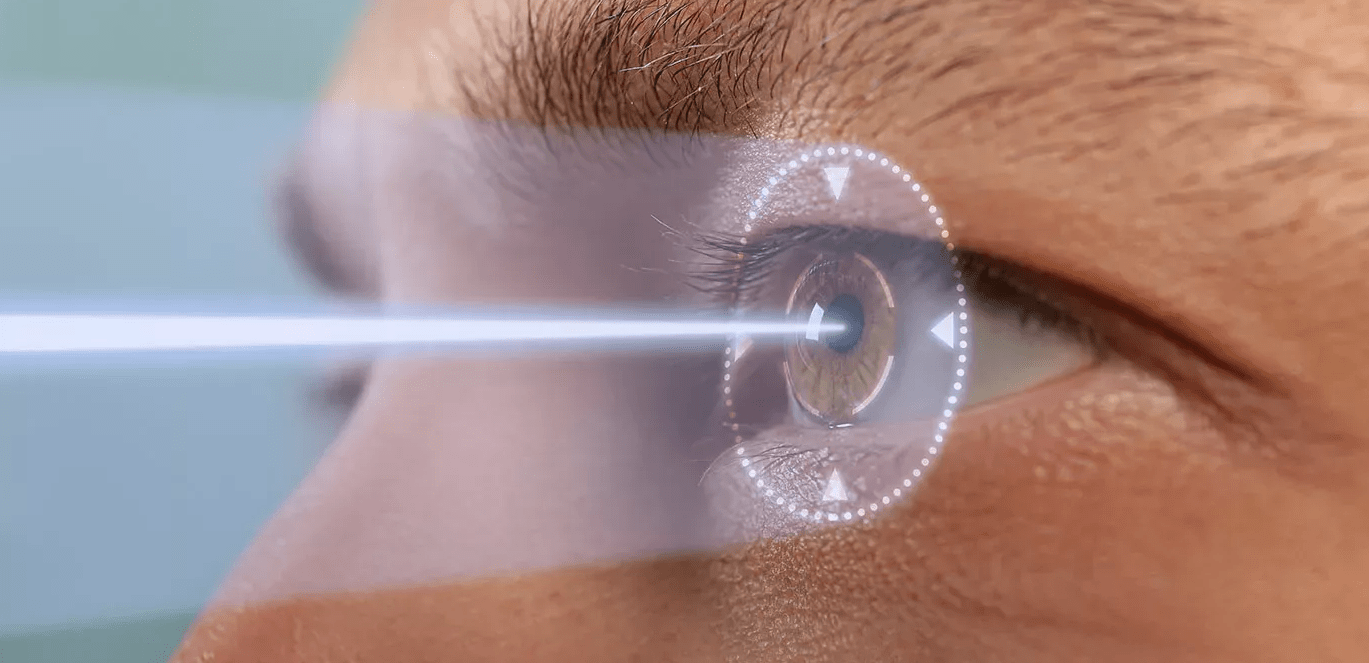
LASIK Refractive Surgery: Everything you need to know in 7 points
Introduction
Refractive LASIK surgery has become an extremely popular procedure in recent years to correct various vision problems. If you are considering this vision correction procedure, discover everything you need to know about LASIK.
What is LASIK refractive surgery?
LASIK eye surgery, an acronym for Laser-Assisted In Situ Keratomileusis, is a surgical procedure that uses a laser to reshape the cornea, the clear front part of the eye. By reshaping the cornea, LASIK aims to improve visual acuity and reduce dependence on corrective lenses, such as glasses or contact lenses.
Ideal candidates for LASIK
LASIK is suitable for people with myopia (poor distance vision), hyperopia (eye strain when looking near or far), astigmatism (distorted vision) or presbyopia (age-related loss of near vision). To find out if you are eligible, you will need a full eye examination by an ophthalmologist.
The procedure for refractive surgery
LASIK eye surgery is an outpatient procedure that typically takes 15 to 20 minutes per eye, with laser application lasting only a few seconds. The surgeon will first apply an anaesthetic eye drop to numb the eye and ensure you feel no discomfort during the intervention. A corneal flap is then created using a microkeratome or femtosecond laser (the most recent technique). The surgeon will lift the corneal flap/cap to access the underlying cornea and use an excimer laser to reshape it according to your unique prescription. Finally, the surgeon will reposition the corneal flap, which will naturally adhere without the need for sutures.
Comfort during and after the procedure
LASIK surgery is virtually painless. You may experience some pressure on your eye during the procedure, but you should not feel any pain. After the procedure, you may experience slight discomfort or mild irritation, similar to dry eye, but this can be managed with prescribed eye drops.
Recovery process
Recovery after LASIK eye surgery is relatively quick, with most patients experiencing improved vision within 24 to 48 hours. It is normal to experience blurred vision or halos immediately after the procedure, but this usually disappears within a few hours. The surgeon will provide you with a set of post-operative instructions, including the use of prescribed eye drops, avoiding rubbing your eyes, and protecting them from excessive sunlight. It is advisable to avoid strenuous activities and swimming for a few weeks after the surgery.
Risks and complications
Although LASIK is considered safe and has a high success rate, it does carry some potential risks and complications. These may include dry eyes, glare, halos, double vision, under- or over-correction of vision, and infection. However, these problems are rare and can often be managed with post-operative care and appropriate medication. It is important to discuss all potential risks with your surgeon before undergoing LASIK.
Conclusion
In conclusion, LASIK eye surgery is a popular and effective vision correction procedure that has transformed the lives of many people with refractive errors. If you are considering LASIK, consult a qualified ophthalmologist to determine if you are a suitable candidate and discuss any concerns or questions you may have. With proper precautions and care, you can benefit from improved vision and freedom from glasses or contact lenses.
Key terms and definitions
- LASIK: Acronym for Laser-Assisted In Situ Keratomileusis, a surgical vision correction procedure.
- Myopia: A refractive error that results in poor distance vision.
- Hyperopia: A refractive error that can cause eye strain when looking near or far.
- Astigmatism: A distortion of the cornea that affects vision.
- Presbyopia: A decline in near vision due to aging.
- Refractive surgery: Refractive surgery is a medical procedure that aims to correct refractive errors of the eye, such as myopia, hypermetropia, astigmatism and presbyopia. It involves modifying the shape of the cornea or replacing the natural lens of the eye with an intraocular lens to improve light focusing on the retina and, consequently, vision. The primary goal of refractive surgery is to reduce or eliminate dependence on glasses or contact lenses. Among the most common refractive surgery techniques are LASIK (Laser-Assisted In Situ Keratomileusis), PRK (photorefractive keratectomy) and cataract surgery, which involves replacing the natural lens with an intraocular lens.
Resources for patients
For more information about LASIK surgery and to find a qualified professional, you can visit the following websites:
- American Academy of Ophthalmology
- American Society of Cataract and Refractive Surgery
- National Eye Institute
- European Society of Cataract and Refractive Surgeons (ESCRS)
- French Society of Ophthalmology Information Sheet
[ad_2]

Your ophthalmologist answers your questions during the consultation. For a sudden symptom or sudden loss of vision, seek advice promptly: see the eye emergencies page.