

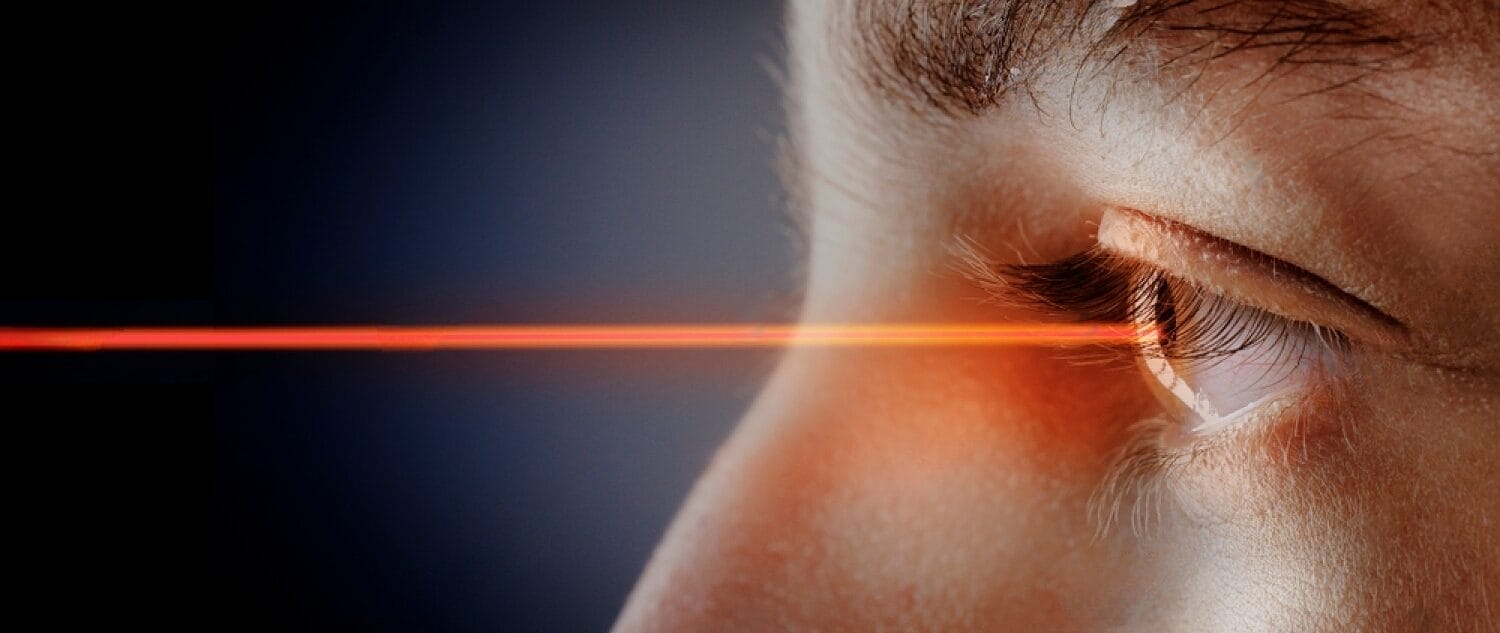
Is refractive surgery reserved solely for the treatment of myopia?
Refractive surgery is a surgical technique that allows for the correction of the optical defects of the eye. This technique has undergone significant development since its initial treatments of myopic patients in the 1980s. Today, it offers the possibility of treating other optical defects such as hyperopia, astigmatism, and presbyopia. In this article, we will explore the different aspects of this refractive technique, addressing the history of refractive surgery, the possibility of treating other optical defects, the safety and effectiveness of the treatments, as well as patient satisfaction.
1- The history of refractive surgery
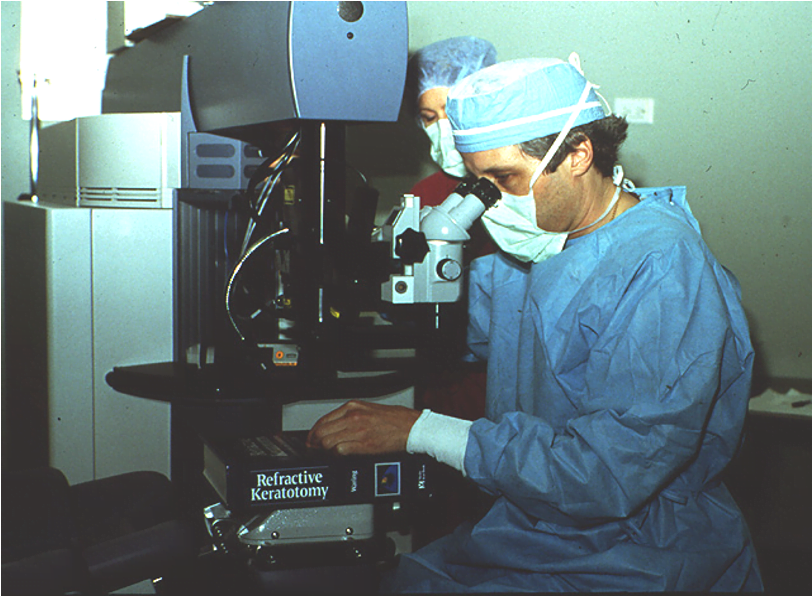
The first refractive surgeries were performed on myopic patients in the 1980s. This technique involved reshaping the cornea of the eye using an excimer laser. The principle is simple: the microkeratome initially, then the laser removes a thin layer of tissue from the cornea, which allows for modifying the curvature of the eye and thus correcting the optical defect.
Over the years, this technique has undergone significant improvement thanks to technological advancements. Today, there are several refractive surgery methods, such as LASIK, PRK, or SMILE, which allow for the treatment of different types of optical defects.
2- The possibility of treating other optical defects
Refractive surgery is no longer limited to treating nearsightedness. Technological advancements have made it possible to treat other optical defects such as hyperopia, astigmatism, and presbyopia. For example, LASIK is a refractive surgery technique that can treat hyperopia and astigmatism in addition to nearsightedness.
Presbyopia, on the other hand, can be treated with multifocal refractive surgery. This method allows for reshaping the cornea of the eye so that vision can be corrected at different distances without the need for glasses.
3- The safety of refractive treatments
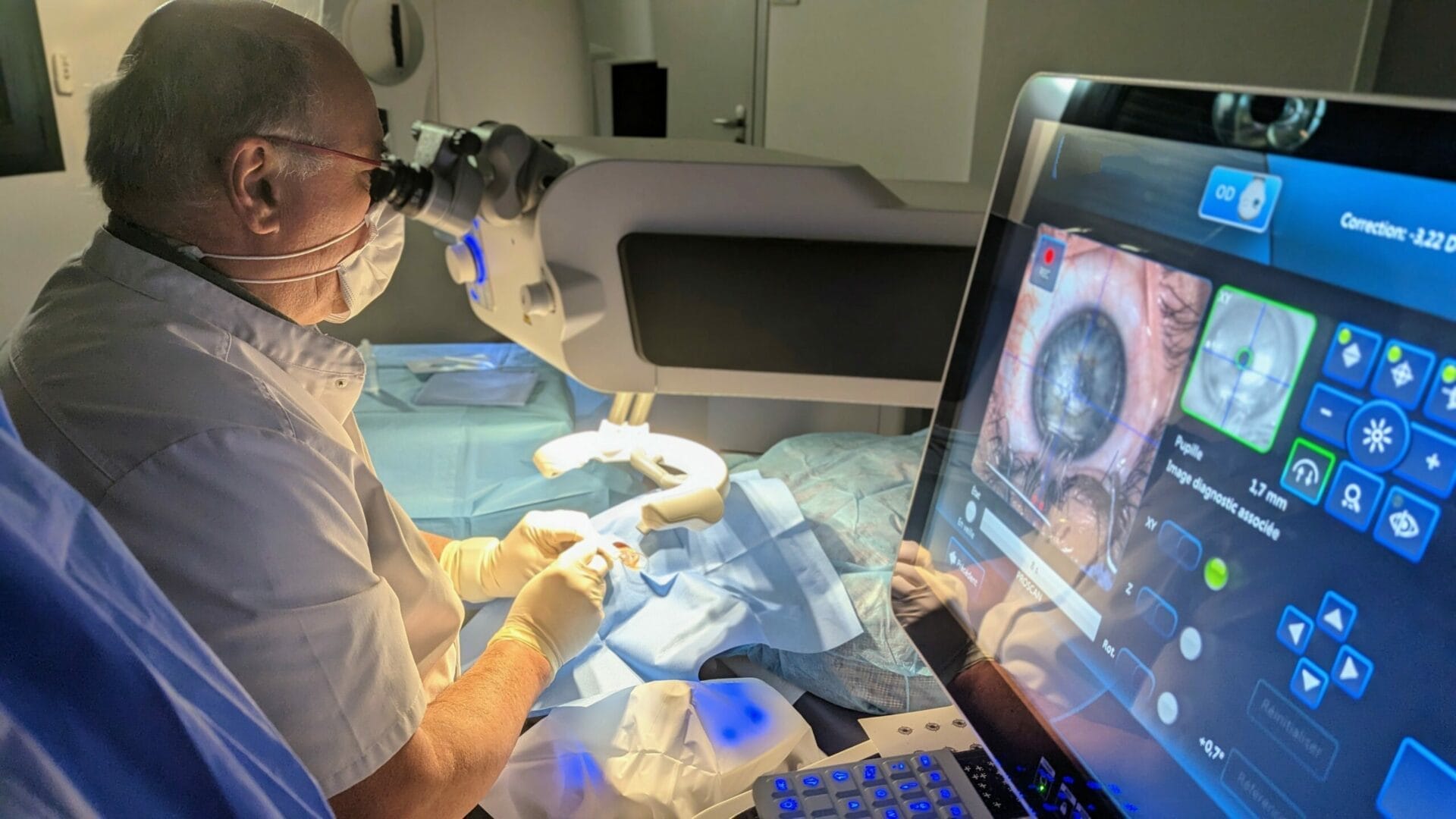
Refractive treatments are now considered safe and effective. The risk of infection or complications is very low, as the equipment and techniques used are becoming increasingly sophisticated.
The procedures are performed under local anesthesia, which allows patients to resume their activities the day after the procedure for LASIK or SMILE interventions. However, it is important to emphasize that each patient is different and that the treatment must be adapted to each case.
4- The effectiveness of refractive treatments
Refractive treatments are effective in most cases. Patients experience a significant improvement in their vision after the procedure. However, it is important to understand that each case is unique and that the results may vary depending on the individual patient and the goals set.
5- Patient satisfaction
Refractive surgery is a technique that is increasingly popular with patients. The results are often spectacular, and patients who undergo the procedure are generally very satisfied. According to a study, nearly 95% of patients who underwent myopia surgery reported being satisfied with their operation.
In conclusion, refractive surgery is no longer limited to the treatment of myopia.
- Technological advancements have made it possible to treat other optical defects, such as hyperopia, astigmatism, and presbyopia.
- These treatments are now considered safe and effective, with often spectacular results.
- If you are considering refractive surgery, it is important to discuss your options with your ophthalmologist.
- SFO Information Sheet
- American Academy of Ophthalmology (English): What is Refractive Surgery?
- SNOF Refractive Surgery Encyclopedia: SNOF Refractive Surgery Entry
À lire aussi
Your ophthalmologist answers your questions during the consultation. For a sudden symptom or sudden loss of vision, seek advice promptly: see the eye emergencies page.