

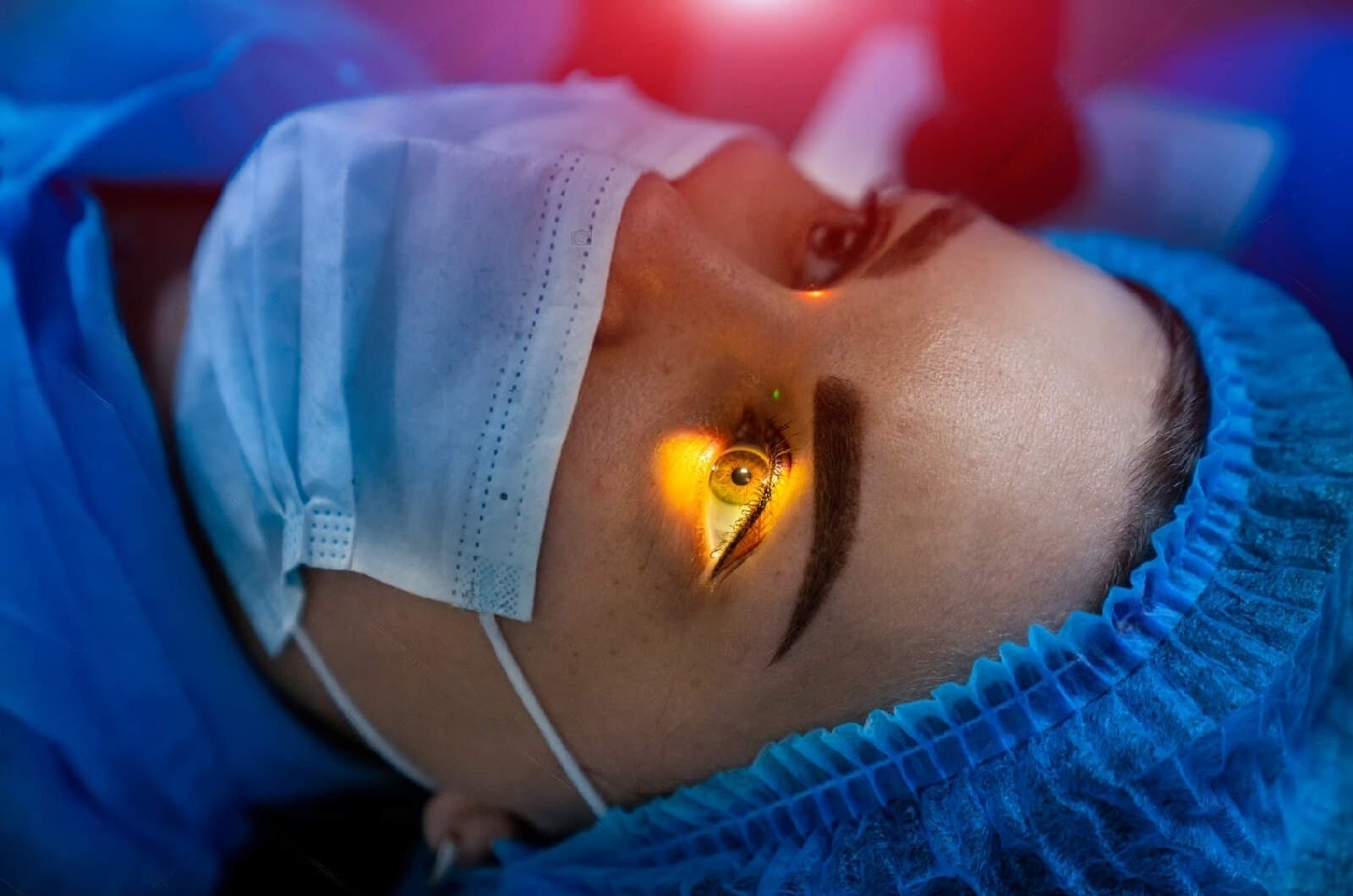
Laser refractive surgery
Refractive surgery is a surgical procedure aimed at correcting vision problems such as myopia, hypermetropia, astigmatism, and presbyopia. The goal of this surgery is to reduce or eliminate the need for glasses or contact lenses.
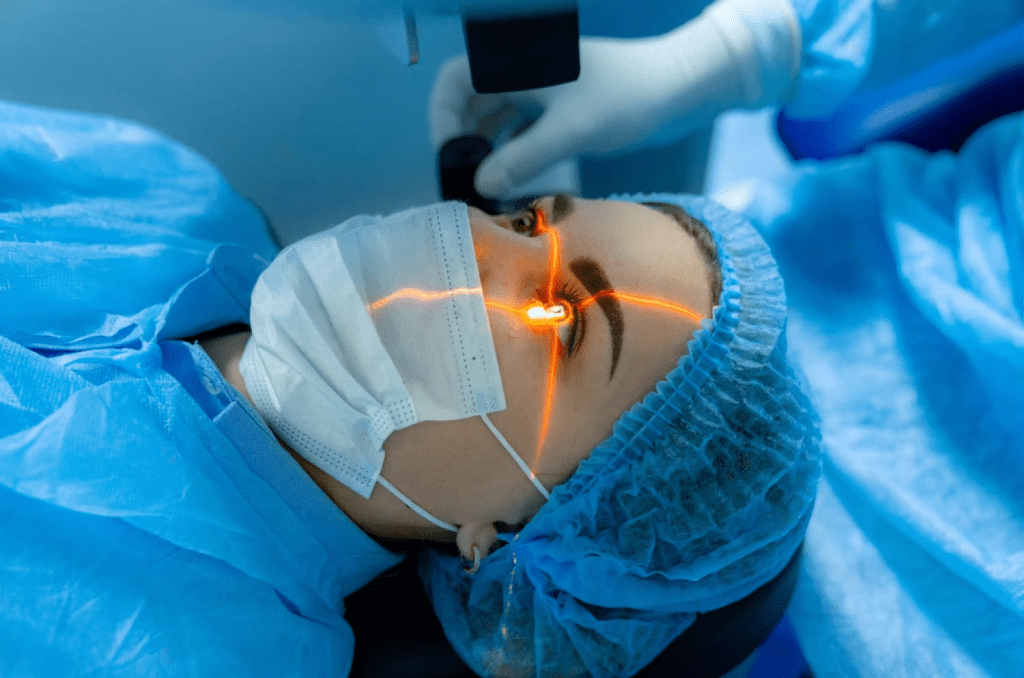
Techniques
There are several types of refractive surgery, including LASIK (Laser-Assisted In Situ Keratomileusis), PRK (Photorefractive Keratectomy), and SMILE (Small Incision Lenticule Extraction). Each of these procedures uses different techniques to reshape the cornea and correct vision.
LASIK is the most commonly performed type of refractive surgery. A femtosecond laser creates a thin flap in the cornea. The flap is lifted so that an excimer laser can reshape the cornea, then put back in place to allow the eye to heal.
PRK is a similar procedure that involves no corneal flap. The outer layer of the cornea is removed and an excimer laser reshapes the cornea. The outer layer grows back over time.
SMILE is a newer procedure that is similar to LASIK but involves creating a small incision in the cornea instead of a flap. A lenticule, or small piece of tissue, is then removed from the cornea to reshape it.
Safety and effectiveness
Refractive surgery is safe and effective, and patients experience an improvement in their vision. However, there are potential risks and complications, such as dry eyes, halos, and general temporary glare. A thorough evaluation that identifies contraindications and determines the best refractive option can help minimise these risks. It is important to discuss the risks and benefits of refractive surgery with your surgeon.
Please contact our refractive surgeons at Annecy Laser Vision, operating at the Annecy Laser Vision centre.
Frequently asked questions
Here, we answer the most frequently asked questions by patients before undergoing refractive surgery.
What is the difference between LASIK surgery and PKR surgery?
LASIK involves creating a flap on the cornea, while PKR involves removing the entire outer layer of the cornea. LASIK generally allows for a faster recovery, while PRK may be a better option for people with thinner corneas or certain eye conditions.
How long does it take to recover from refractive surgery?
The recovery time can vary depending on the individual and the specific procedure, but most people can return to work and normal activities a few days or a week after the surgery. Complete vision stabilization may take several weeks with PRK.
What are the potential risks and complications of refractive surgery?
Potential risks include dry eye, the risk of infection, and over- or under-correction of vision. However, these risks are relatively rare and can often be minimized through screening and appropriate precautions.
Who is a good candidate for refractive surgery?
Good candidates for refractive surgery typically are over 18 years old, are in good health, and have had stable vision for at least one year. They should also have realistic expectations about the procedure and be prepared to follow all pre- and post-operative instructions carefully.
Glossary
You can find these terms when researching refractive surgery.
Aberration
In ophthalmology, an aberration refers to imperfections in the eye’s optical system that cause blurred vision. Aberrations can be corrected with refractive surgery, including LASIK and PRK.
Corneal topography
Corneal topography is a diagnostic tool used to map the curvature of the cornea’s surface. This information is used to diagnose and plan refractive surgeries.
Wavefront analysis
Wavefront analysis is a diagnostic tool that creates a detailed map of the eye’s optical system, measuring aberrations and other imperfections. This information is used to plan personalized refractive surgeries.
Intraocular lens
An intraocular lens is an artificial lens implanted in the eye during cataract surgery or a refractive lens exchange to correct vision. It can also be used to correct presbyopia.
Femtosecond laser
A femtosecond laser is a type of laser used in refractive surgeries, including LASIK and SMILE procedures. It creates a precise flap in the cornea, allowing the surgeon to reshape the cornea and correct vision.
Learn more
- French Society of Ophthalmology – https://www.sfo-online.fr/patients/fiches-dinformations-patients
- American Academy of Ophthalmology – https://www.aao.org/eye-health/treatments/what-is-refractive-surgery
- American Society of Cataract and Refractive Surgery – https://ascrs.org/clinical-education/refractive
- Eurotimes – https://www.escrs.org/knowledge-hubs/refractive/
Your ophthalmologist answers your questions during the consultation. For a sudden symptom or sudden loss of vision, seek advice promptly: see the eye emergencies page.