

Learn about the steps involved in LASIK refractive surgery to regain clear vision
Introduction
LASIK (Laser-Assisted in Situ Keratomileusis) is a popular vision correction procedure. It can correct various vision problems, such as myopia, hyperopia, and astigmatism, as well as presbyopia. If you are considering this procedure, it is essential to understand the different steps involved in the process. In this article, we will guide you through the different steps of LASIK refractive surgery, so you can have a clear understanding of what to expect.
Step 1: Initial Consultation and Pre-operative Evaluation
Before undergoing LASIK surgery, you will need to consult with an ophthalmologist specializing in refractive procedures. During this initial consultation, your doctor will perform a thorough examination of your eyes to assess your vision and determine your suitability for LASIK surgery. Tests will be conducted to measure the curvature of the cornea, the thickness of the cornea, the pupil size, and other important aspects of your eyes.
Step 2: Preparation for the Procedure
If you are deemed a good candidate for LASIK surgery, the next step is to prepare for the procedure. This typically involves stopping the use of contact lenses before the procedure, as they can interfere with the accurate measurements taken during the pre-operative evaluation. Your ophthalmologist will also provide you with specific instructions on how to prepare for the procedure, including avoiding the use of cosmetics around your eyes.
You will need to be accompanied on the day of surgery, as you may experience discomfort in bright light.
Step 3: The LASIK Procedure
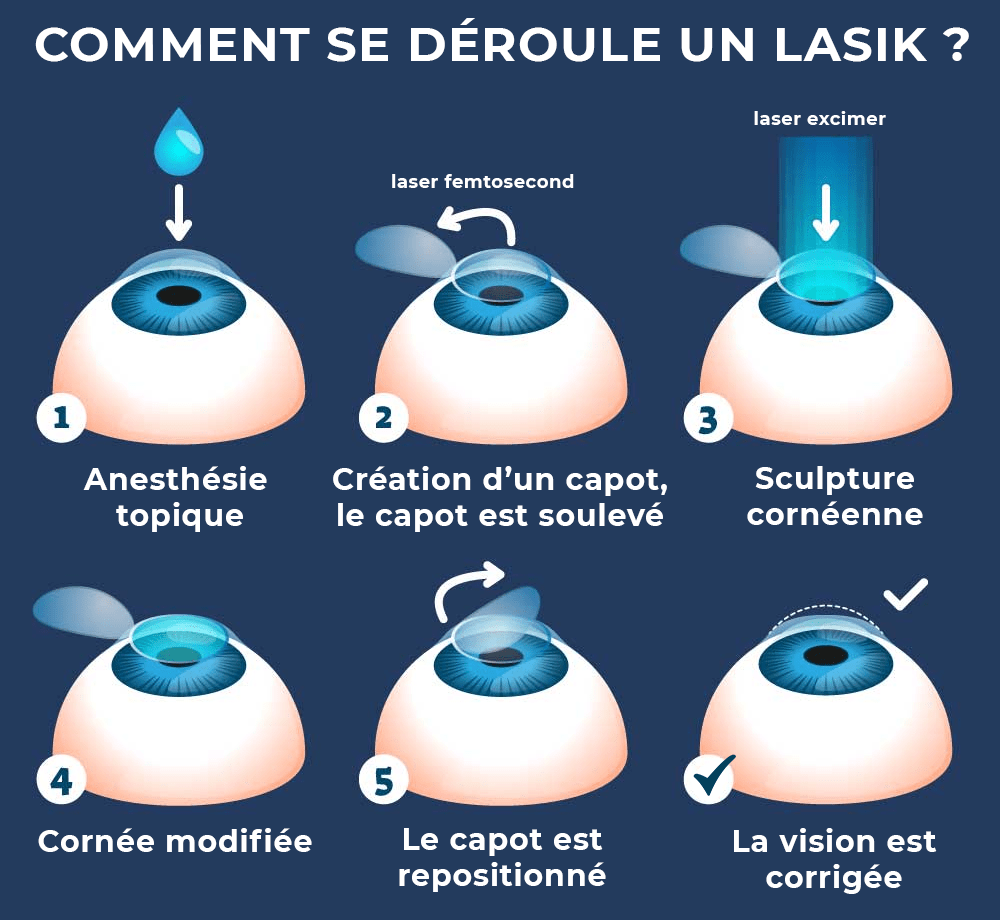
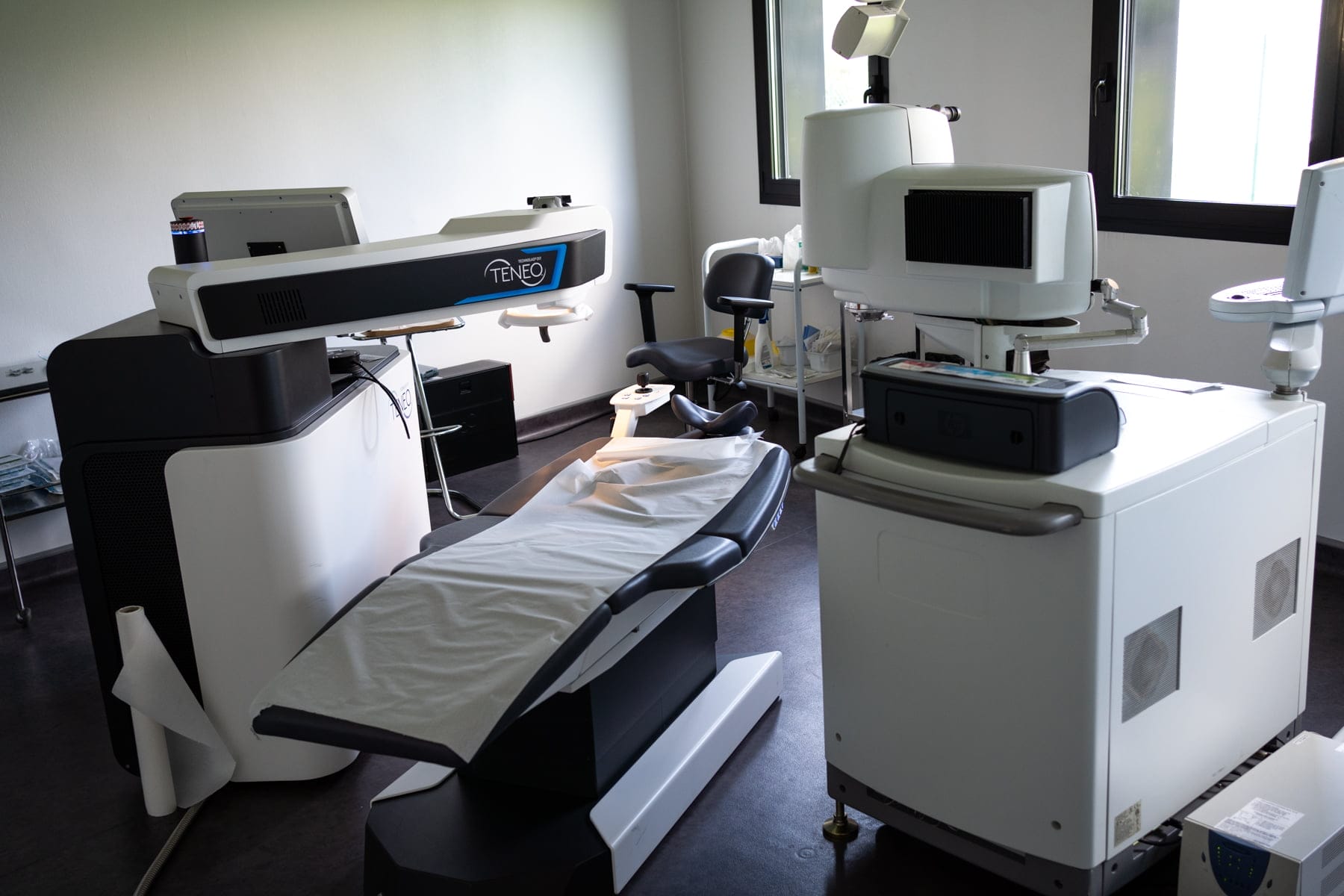
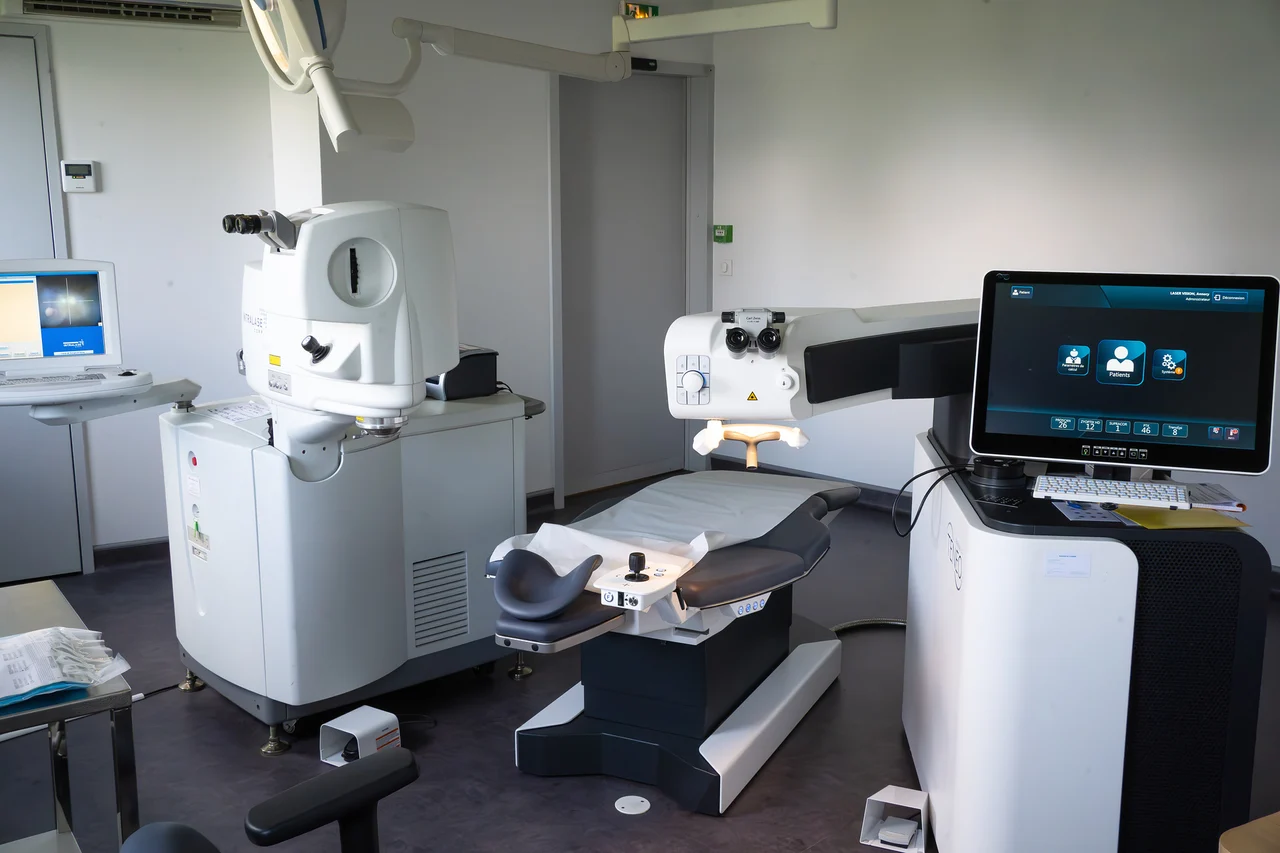
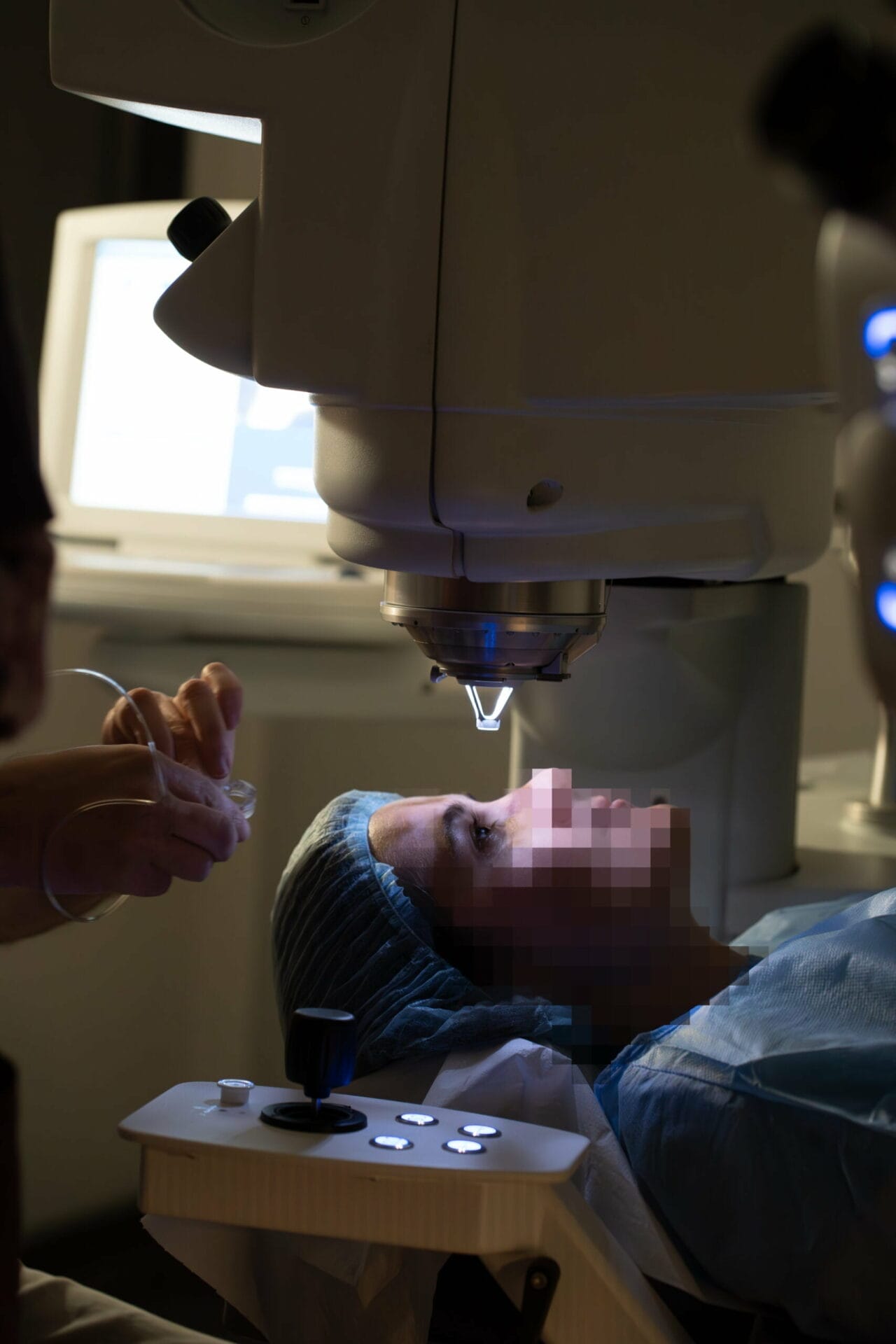
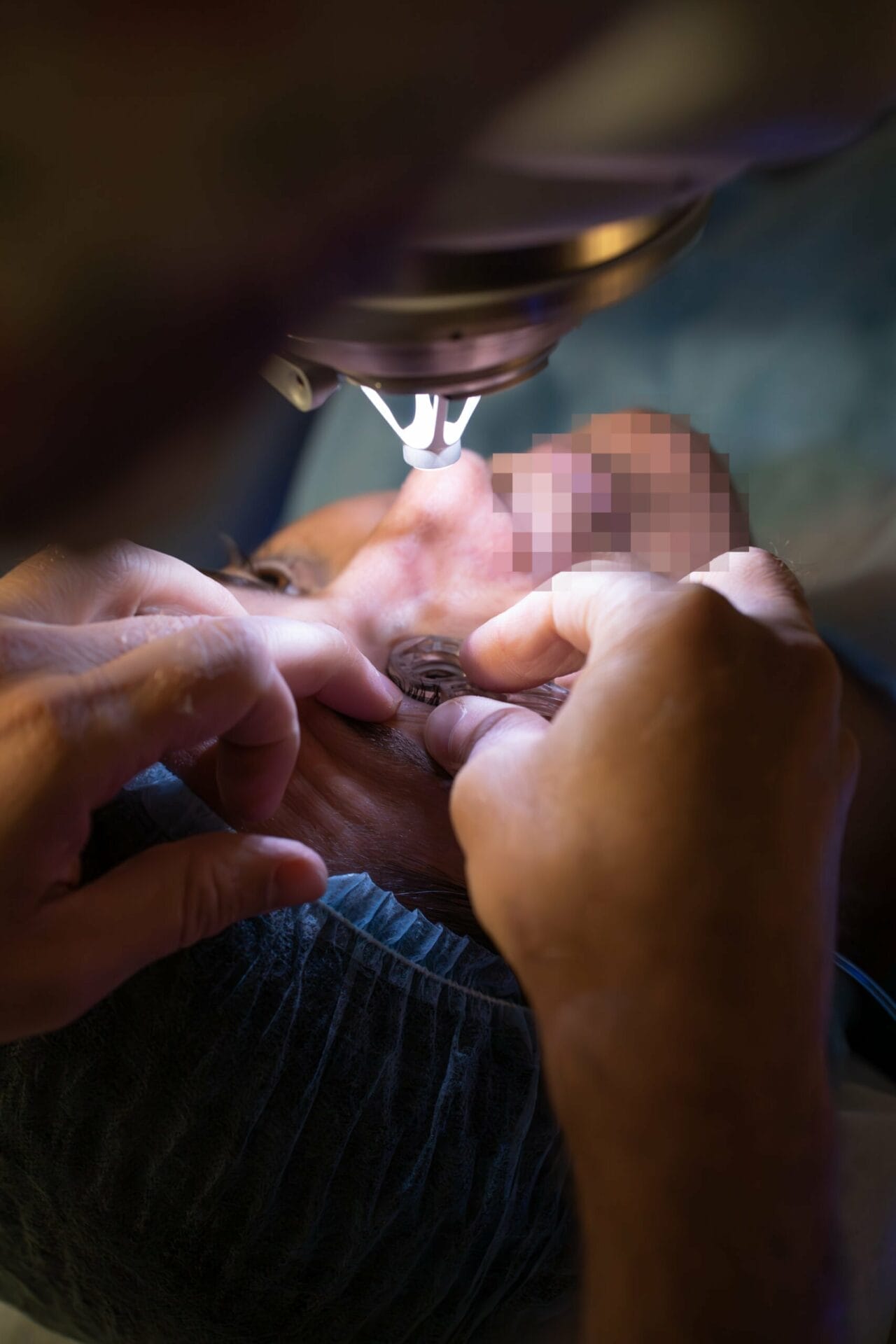
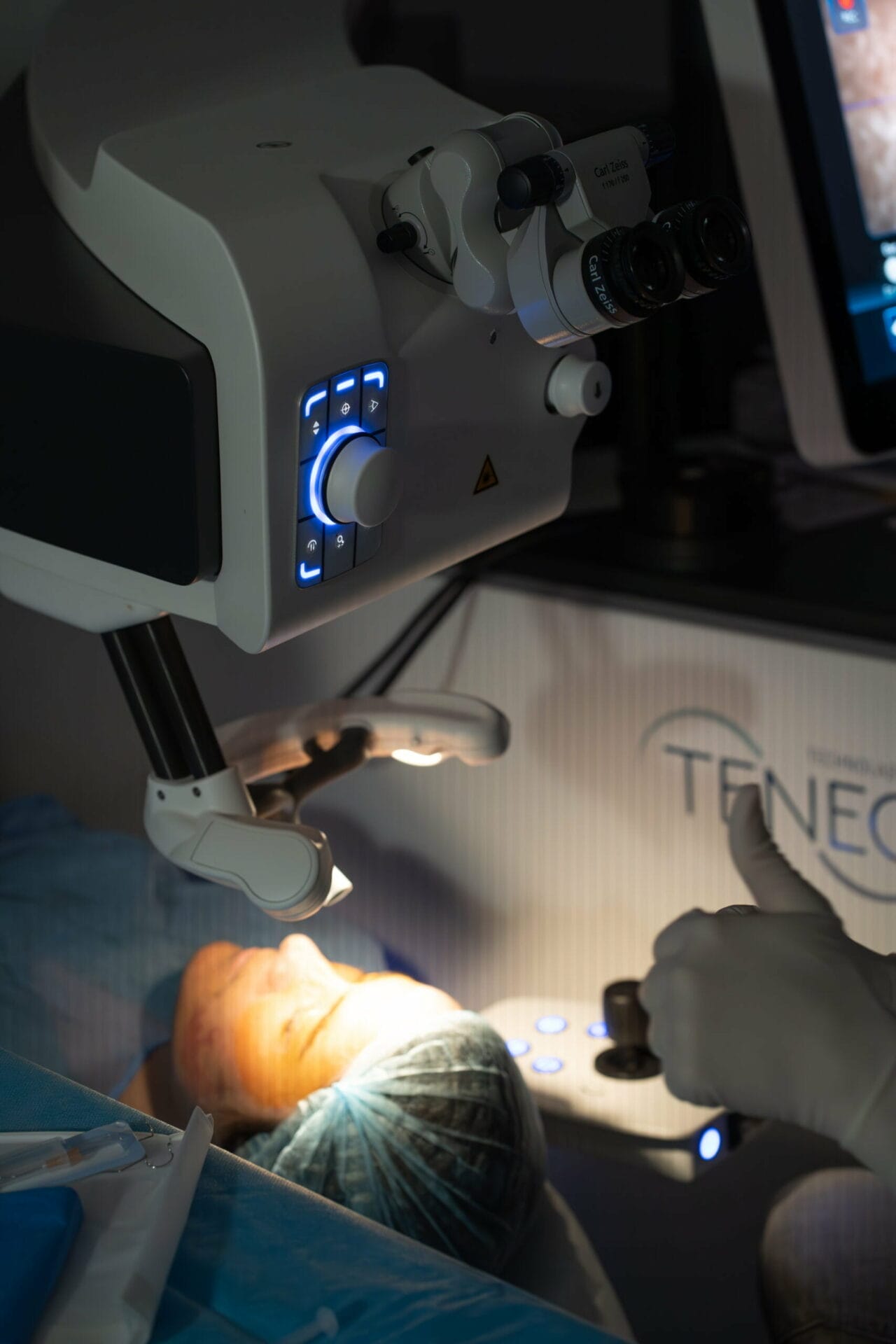
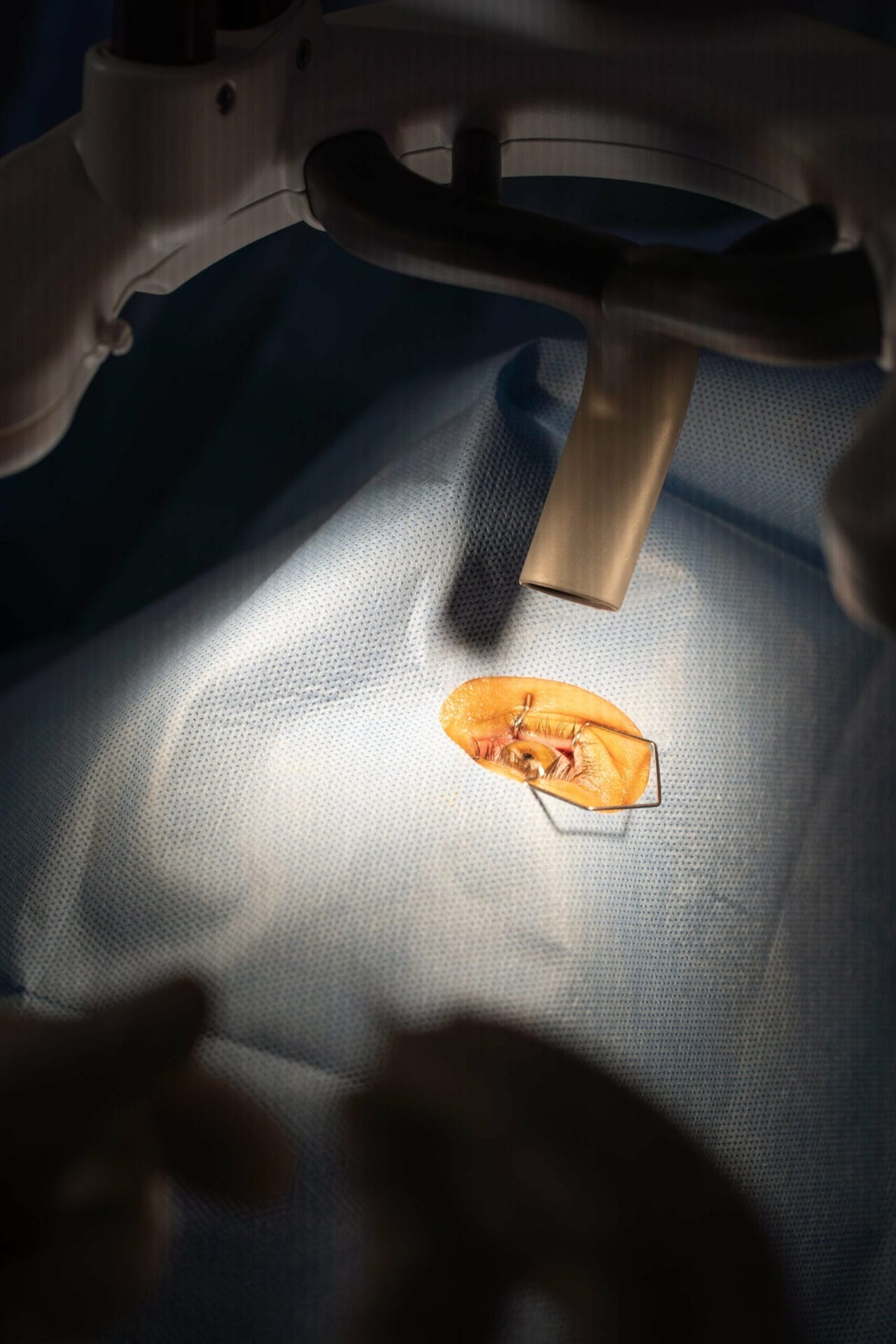
On the day of the surgery, you will be brought to a specialised operating room. The LASIK procedure is quick and painless. Here's how it works:
1. Anesthésie : Des gouttes anesthésiantes seront appliquées sur vos yeux, ce qui rend la procédure confortable et sans douleur.
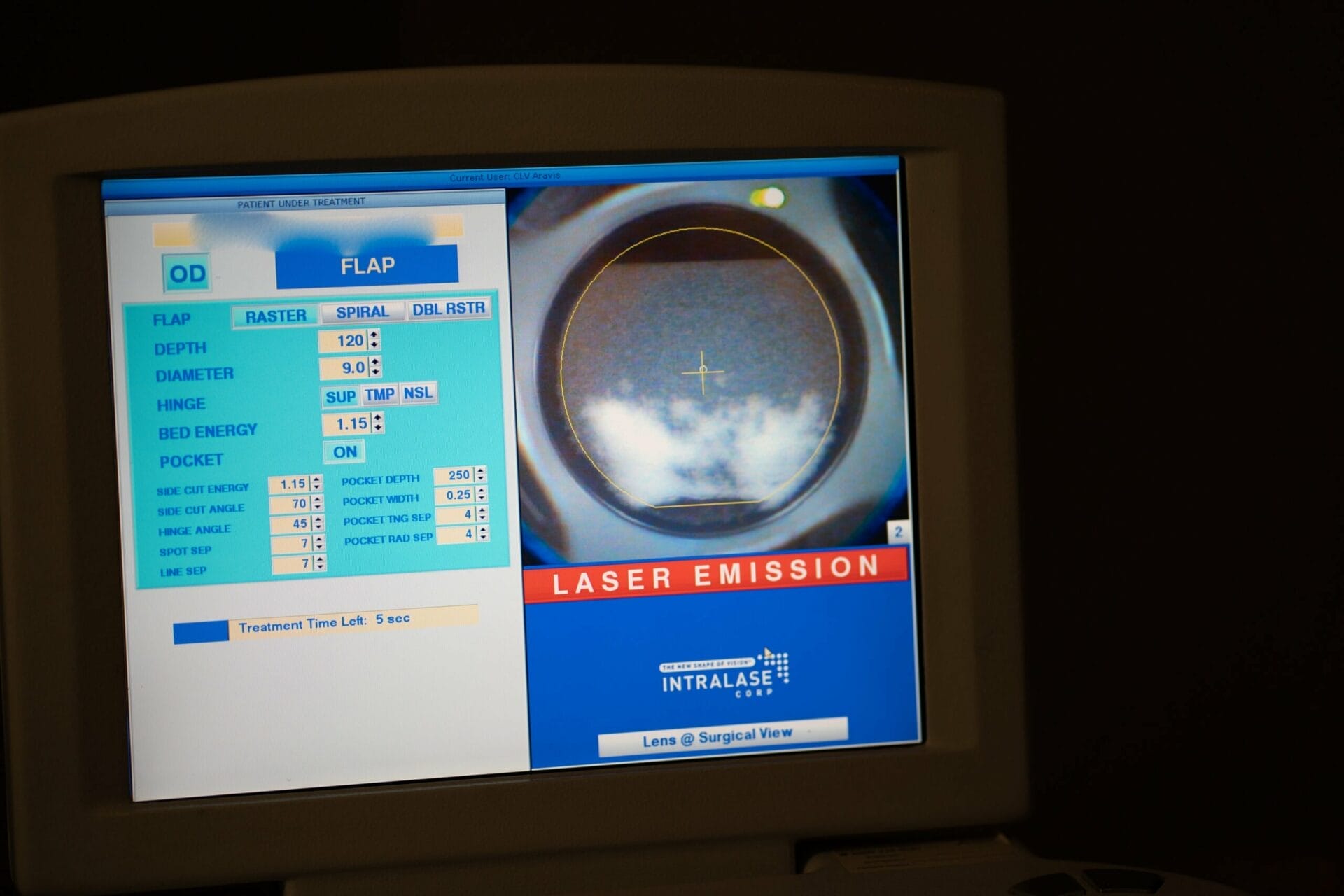
2. Corneal Flap Creation: Your ophthalmologist will use a femtosecond laser to create a thin flap in the cornea. This flap is then lifted to expose the inner layer of the cornea, known as the stroma.
3. Laser Sculpting: Using an excimer laser, precise pulses of ultraviolet light will be applied to the inner layer of the cornea. The laser will remove tiny amounts of corneal tissue to reshape the curvature of the cornea and correct your specific vision problem.
4. Remise en place du volet cornéen : Une fois la sculpture au laser terminée, le volet cornéen sera soigneusement repositionné sur la cornée. Il adhère sans nécessiter de points de suture.
Step 4: Post-operative Recovery
After the LASIK procedure, you will be monitored for a period of time to ensure that everything is going well. You may experience some mild discomfort or dry eye, but this should improve quickly.
Your ophthalmologist will prescribe eye drops to aid healing and provide you with instructions on how to care for your eyes during the recovery period.
Conclusion
LASIK refractive surgery offers an effective solution for correcting vision and eliminating the need for glasses or contact lenses. Understanding the different stages of this procedure can help you mentally and physically prepare. It is essential to consult an experienced and qualified ophthalmologist to assess your suitability for LASIK surgery and to guide you throughout the process.
Remember that each case is unique, so the specific details of your procedure may vary.
À lire aussi
Your ophthalmologist answers your questions during the consultation. For a sudden symptom or sudden loss of vision, seek advice promptly: see the eye emergencies page.